



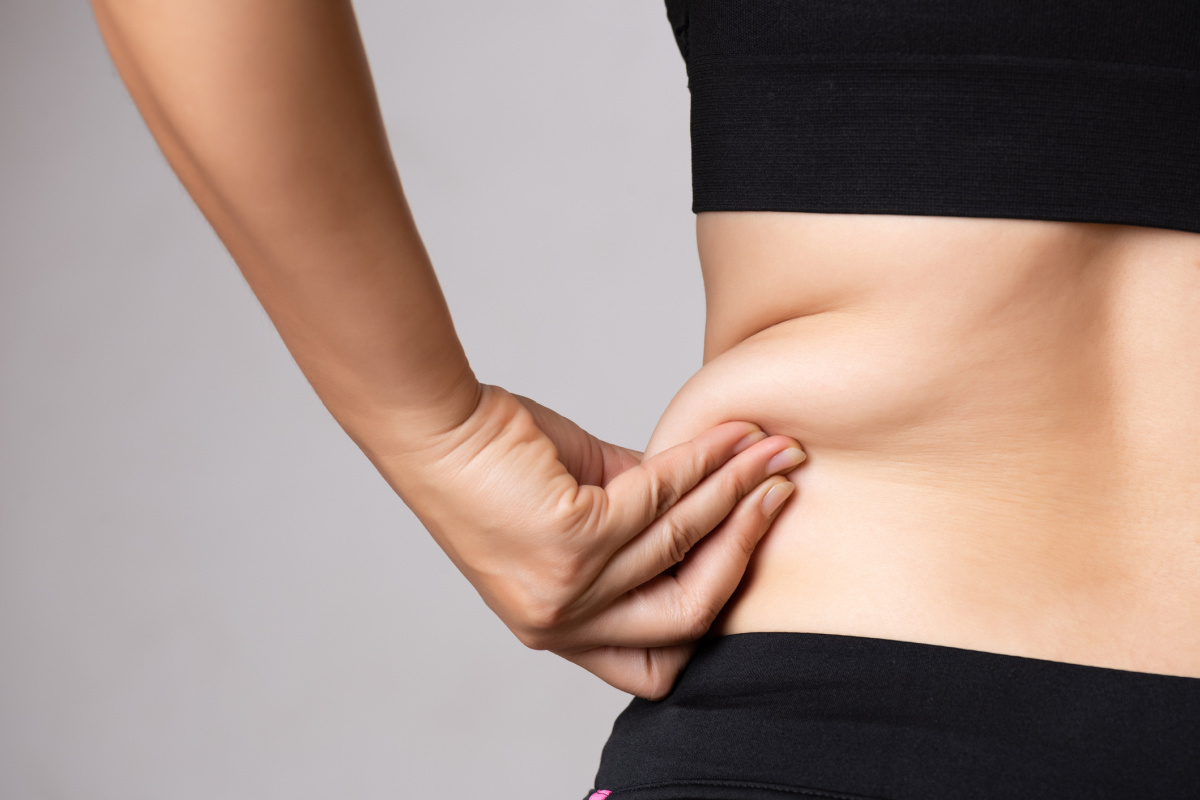
You’ve cleaned up your diet. You’re hitting the gym consistently. The scale is even moving in the right direction. But that pocket of stubborn fat on your lower belly, your flanks, or the underside of your arms just sits there, unchanged.
A few different factors can be at play when fat refuses to respond to diet and exercise, from receptor activity to hormones to genetics. Dr. Maningas and Dr. Baker offer several treatment options at our Joplin practice designed to target stubborn fat directly when you have hit that wall.
What Makes Fat “Stubborn”
The fat that resists diet and exercise is usually subcutaneous fat, the layer just beneath your skin that you can pinch. Within this layer, certain areas contain a higher concentration of alpha-2 adrenergic receptors, which slow down the release of stored fat for energy. Areas with more beta-2 receptors respond quickly to fat burning, while alpha-2-dominant areas hold on tight.
This explains why the lower abdomen, flanks, inner thighs, and under the chin tend to be the last areas to change, even in people who are otherwise lean and active. Your body is responding exactly as it’s designed to. These zones are simply built to store fat as a reserve, releasing it more reluctantly than areas like your face.
Hormones Influence Where Your Body Holds On to Fat
Hormones shape where your body stores and releases fat, and shifts in hormone levels can make stubborn areas even harder to shift.
- Cortisol: Chronic stress raises cortisol levels, which encourages your body to store fat around the midsection. Elevated cortisol also disrupts sleep and reduces muscle mass, both of which make fat loss harder over time.
- Estrogen: In women, estrogen influences fat distribution toward the hips, thighs, and buttocks. Hormonal shifts during perimenopause and menopause often redirect fat storage toward the abdomen instead.
- Insulin resistance: When your cells become less responsive to insulin, your body stores more fat and burns it less efficiently, particularly around the belly.
- Testosterone: Declining testosterone in men, sometimes called andropause, contributes to fat gain around the midsection along with reduced energy and muscle tone.
If you’re already managing symptoms like low energy, mood changes, or unexplained weight gain, these may point to a hormonal imbalance worth addressing directly. Maningas Wellness + Injectables offers hormone replacement therapy for men and HRT for women to help restore hormonal balance. HRT is not a weight loss treatment, but by supporting healthy muscle mass, energy, and metabolism, it can make your existing diet and exercise efforts more effective.
Diet and Exercise Alone Have Real Limits
Cardio and clean eating create the calorie deficit your body needs to lose weight overall, but that fat loss happens across your entire body rather than in one targeted spot. Your body decides where to pull fat from during a calorie deficit, and that decision is driven largely by genetics and hormone activity, independent of which muscles you’re working.
Doing hundreds of crunches will strengthen your abdominal muscles, but the fat layer sitting on top of them responds to entirely different signals. Your body can also adapt to repetitive cardio over time, burning fewer calories from the same workout than it once did. Strength training helps counter this by building muscle and raising your resting metabolic rate, though even a strong training routine has limits when a stubborn area is shaped by hormones or genetics.
Two people with the same body fat percentage can carry weight in completely different places, and genetics sets that pattern regardless of how carefully you diet or train.
Genetics Help Decide Your Fat Storage Pattern
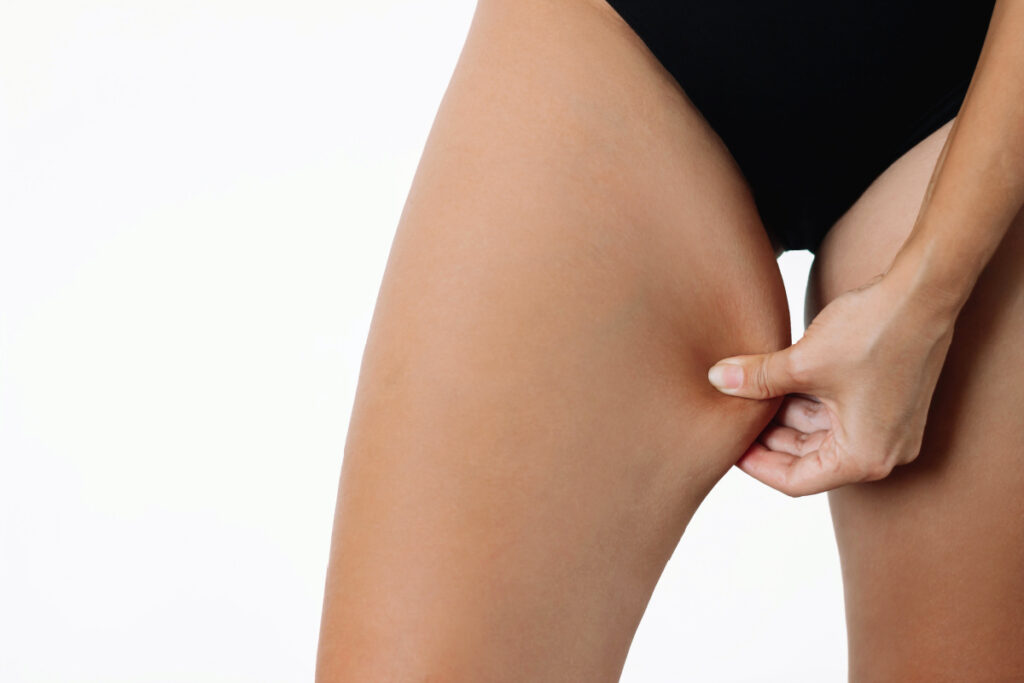
Where your body stores and releases fat first is largely written into your genetic code. Two people with the same body fat percentage can carry weight in completely different places, and genetics sets that pattern regardless of how carefully you diet or train.
This is why some patients reach a healthy, stable weight and still have a stubborn pocket of fat on their abdomen, flanks, or inner thighs. The rest of the body has responded to lifestyle changes exactly as expected. That one area is simply built to hold on.
When Stubborn Fat Calls for a Different Approach
Once you’ve reached a stable, healthy weight and stubborn fat is still holding on, body contouring is the most direct way to address it. At Maningas Cosmetic Surgery, Dr. Talon Maningas and Dr. David Baker offer both surgical and non-surgical options depending on your goals, the treatment area, and how much skin laxity you have.
Liposuction
Liposuction permanently removes stubborn fat cells from the body, delivering results that last as long as your weight stays stable. It works well for patients with good skin elasticity who want to sculpt a more balanced, proportional contour in areas like the abdomen, bra line, flanks, thighs, or arms.
BodyTite
For patients dealing with stubborn fat alongside loose or lax skin, BodyTite combines radiofrequency-assisted liposuction with simultaneous skin tightening in a single treatment. This makes it a strong option for areas like the abdomen, arms, and inner thighs, where skin firmness matters as much as fat removal.
Evolve Non-Surgical Body Contouring
Patients who want to treat stubborn areas without surgery often turn to Evolve, which uses radiofrequency energy and electrical muscle stimulation to reduce fat, tighten skin, and tone muscle over a series of treatments. Evolve works well for smaller, isolated pockets of fat or mild skin laxity, giving you a way to fine-tune the areas diet and exercise leave behind.
Medical Weight Loss Injections
If stubborn fat is stacking on top of a higher overall body weight, addressing your total body composition first can set you up for stronger contouring results later. Maningas Wellness + Injectables offers semaglutide and tirzepatide weight loss injections to help patients reach a healthy weight before layering in body contouring to target those last, persistent areas.
Once you’ve reached a stable, healthy weight and stubborn fat is still holding on, body contouring becomes the most direct way to address it.
Finding the Right Plan for Your Body
Every patient’s stubborn fat is different, shaped by their own genetics, hormones, and body composition, which is why a personalized consultation matters so much. During your visit, one of our providers will evaluate your treatment areas, review your skin quality and goals, and recommend the option, or combination of options, best suited to your body.
Ready to Address Your Stubborn Fat? You’ve put in the work, but if certain areas are holding steady despite your efforts, it may be time to bring in a treatment built specifically to target them. Call Maningas Cosmetic Surgery at 417-437-0303 or submit a form online to schedule your consultation with Dr. Talon Maningas or Dr. David Baker and find the right path forward for your body.