




If you’ve had breast implants for several years, you’ve probably heard the advice that they need to be replaced every 10 years. Maybe your implants are approaching that milestone, and you’re wondering if it’s time to schedule surgery—even if you’re perfectly happy with how they look and feel.
We get this question frequently from patients who had breast augmentation years ago. The short answer: No, you don’t need to automatically replace your breast implants at the 10-year mark if they’re not causing any problems.
But there’s more to the story. Here’s what you need to know about breast implant longevity, when replacement is necessary, and how to monitor your implants over time.
Where Did the “10-Year Rule” Come From?
The idea that breast implants must be replaced every decade stems from manufacturer warranties. Many implant manufacturers originally offered 10-year warranties, which led to the widespread belief that implants “expire” after that period.
However, this isn’t entirely accurate. Modern breast implants are designed to last much longer—typically 15 to 20 years or more. Advances in implant technology, including stronger shells and more stable fillers, mean today’s implants are highly durable.
The FDA and the American Board of Cosmetic Surgery are clear: breast implants are not considered “lifetime devices,” but they also don’t come with an expiration date. You should replace them when there’s a medical reason to do so, but not simply because a certain number of years have passed.
How Long Do Breast Implants Actually Last?
We see many patients at our Joplin practice who have had their current implants for 15+ years without any issues. They’re simply looking for a refreshed result or considering a size change.
Research shows that modern breast implants typically last 10 to 20 years, with the risk of rupture increasing by approximately 1% each year. This means:
- After 10 years, there’s still about a 90% chance your implants are intact
- After 15 years, roughly 50% of implants remain problem-free
- Some women have healthy, functioning implants for 20 years or longer
Both silicone and saline implants have similar longevity, though they behave differently if problems do occur.

When Do Implants Actually Need to Be Replaced?
While you don’t need to replace perfectly functioning implants on a schedule, there are legitimate situations in which breast revision surgery becomes necessary:
Implant Rupture or Deflation
Saline implants: If a saline implant ruptures, you’ll know immediately. The implant deflates like a balloon as the saltwater leaks out and is (harmlessly) absorbed by your body. The affected breast will noticeably decrease in size.
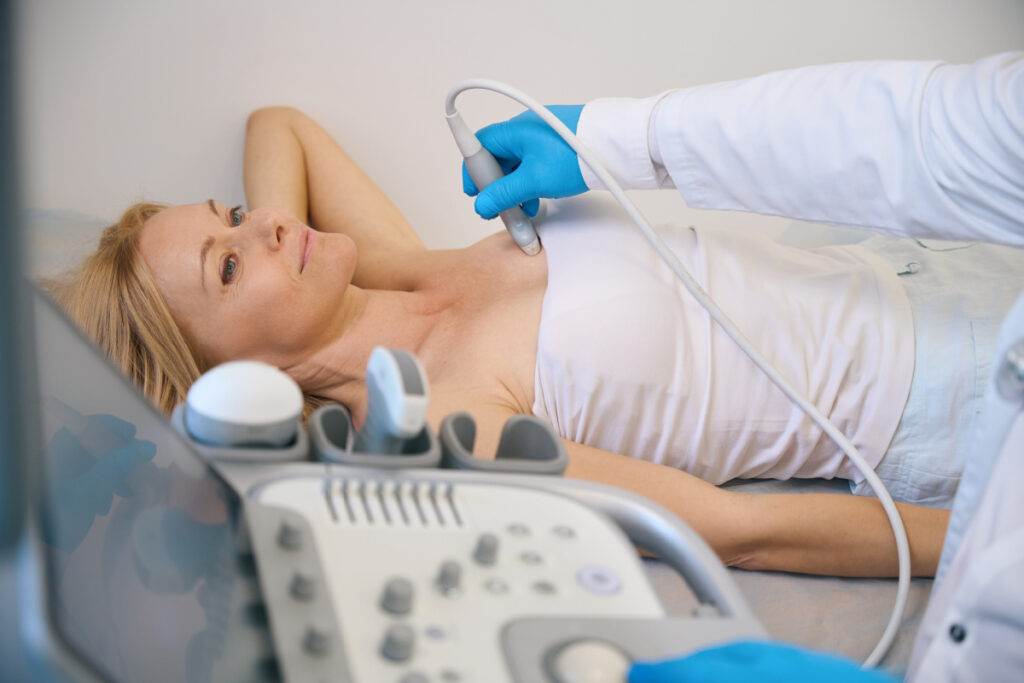
Silicone implants: Ruptures in silicone implants are often “silent,” meaning they show no obvious symptoms. The cohesive gel stays contained. This is why the FDA recommends MRI or ultrasound screening for silicone implants starting at 5-6 years after placement, then every few years thereafter, since rupture should be addressed in a timely manner.
Capsular Contracture
Capsular contracture occurs when the natural scar tissue that forms around your implant tightens and hardens. This can cause firmness or hardness in one or both breasts, discomfort or pain, changes in breast shape or position, or visible distortion.
Severe capsular contracture typically requires surgery to remove the hardened scar tissue and often includes implant replacement.
Changes in Breast Appearance
Even with intact implants, natural aging affects your breasts. Over time, you might notice sagging or drooping as your skin loses elasticity, changes in breast shape due to weight fluctuations, asymmetry between breasts, or visible rippling or wrinkling of the implant.
These changes don’t necessarily mean something is wrong with your implants. However, if you’re unhappy with how your breasts look, breast revision surgery—which may include a breast lift, new implants, or both—can restore a more youthful appearance.
Implant Malposition
Sometimes implants shift from their original position over time. They might move too high, too low, too far to the sides, or become asymmetrical. A skilled cosmetic surgeon can correct these positioning issues.
Personal Choice
Many patients choose implant replacement for purely aesthetic reasons. You might decide you want a different size (larger or smaller), a different shape or profile, to switch from saline to silicone (or vice versa), or to remove implants entirely.
These are all valid reasons to consider breast revision surgery, even if your current implants are functioning perfectly.
“I have loved every bit of my experience with Dr. Maningas and his amazing staff. I was warmly welcomed and greeted by name, and had the absolute best care and experience possible for my procedures. If there were a rating higher than 5 stars, I would choose that. Dr. Maningas is an incredibly talented surgeon delivering consistently beautiful results for his patients.”
—5-star Google review
How to Monitor Your Implants
Just because you don’t need automatic replacement doesn’t mean you should ignore your implants. Keeping an eye on things helps you spot problems before they become serious.
Perform monthly breast self-exams, just as you would to check for lumps or other changes. You’re looking for changes in breast size, shape, or symmetry, new lumps or areas of firmness, pain, tenderness, or discomfort, or visible changes like rippling or distortion.
Continue seeing your cosmetic surgeon for regular follow-up appointments. Dr. Maningas can assess your implants and overall breast health, addressing any concerns before they become problems.
For silicone implants specifically, the FDA recommends first MRI or ultrasound at 5-6 years after placement, then follow-up imaging every 2-3 years after that. An MRI or ultrasound can detect silent ruptures in silicone implants before they cause noticeable symptoms. If you’re experiencing any changes or concerns with saline implants, imaging may also be recommended as a first step to assess implant integrity.
View our breast implant revision gallery»
What If I Want New Implants?
If your implants are in good condition but you’re considering replacement for aesthetic reasons, breast revision surgery can give you a refreshed result. During your consultation at Maningas Cosmetic Surgery, Dr. Maningas can evaluate your current implants and breast tissue, discuss your aesthetic goals, recommend whether you need just new implants, a breast lift, or a combination, and review your options for implant size, shape, and type.
We see many patients who had breast augmentation 15 or 20 years ago and simply want an updated look. Others choose to adjust their implant size as their bodies and preferences change over time. Both scenarios are completely normal.
Call Maningas Cosmetic Surgery at 417-437-0303 or submit a form online to schedule your consultation with Dr. Talon Maningas. Serving Joplin, Missouri and the Four-State area, we’ll assess your current implants and discuss all your options for maintaining beautiful, natural-looking breasts for years to come.